The Bridesmaid Budget: When 'Will You Stand With Me?' Comes With a Receipt

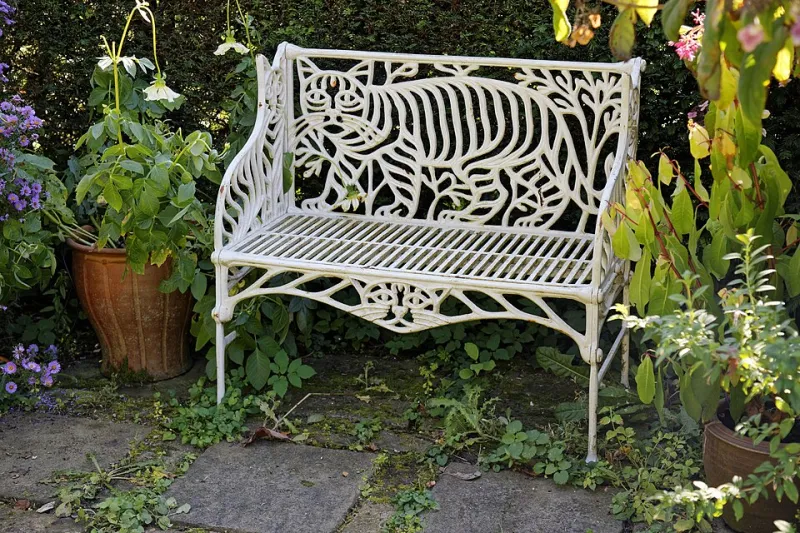
Photo: Lupus in Saxonia, CC BY-SA 4.0, via Wikimedia Commons
The text arrives with a heart emoji: 'Will you be my bridesmaid?' You love her. You also love having a security deposit. The dress is $380. The bachelorette is a three-night stay in Scottsdale. The shower requires a gift. The wedding requires a gift. The flights require a small miracle. The honor is now a line item.
For a growing number of women, the answer is no. Not because they don't love the bride, but because they are finally treating wedding invitations as financial decisions instead of mandatory loyalty tests. The bridesmaid economy has gotten out of hand, and women are bailing—politely, awkwardly, and sometimes with a group chat that will never fully recover.
The Honor Has a Price Tag
Being a bridesmaid used to mean buying a dress and showing up with tissues. Now it can mean a year of events: the engagement party, the bridal shower, the bachelorette weekend, the rehearsal dinner, the wedding itself. Dresses often run $300 to $500 before alterations. Destination bachelorette weekends can easily clear $1,000 once you add flights, hotels, meals, and matching outfits. Hair and makeup are extra. Gifts are extra. The group chat is free, but the emotional labor is not.
The wedding industry has normalized the idea that the bridal party should pay for the bride's vision. But the vision has gotten bigger, and the budgets have not. In the United States, where paid leave is scarce and rent is high, a four-figure bridesmaid bill is not a small ask. It is a real financial event.
The RSVP Is a Budget Decision
Women are starting to say the quiet part out loud: I can't afford this. That sentence used to feel like a confession. Now it sounds like a boundary. The new etiquette is not about being cheap. It is about being honest. A friend who loves you should not want you to go into credit card debt for her color palette.
Some women are declining the bridesmaid role and attending as guests. Others are skipping the destination bachelorette but showing up for the wedding. A few are offering an alternative: 'I can't do the whole thing, but I can help with the shower' or 'I'd love to take you to lunch just the two of us.' The key is early, direct communication. Do not wait until the dress has been ordered.
How to Say No Without Setting the Group Chat on Fire
First, do not over-explain. You do not owe anyone a spreadsheet of your finances. A simple script works: 'I love you and I'm so honored you asked. I've looked at the numbers, and I can't commit to the financial side of being a bridesmaid right now. I'd love to celebrate you as a guest.'
Second, do not make it about the bride's choices. She is allowed to have the wedding she wants. You are allowed to have the budget you have. The conversation is not 'your wedding is too expensive.' It is 'my life has limits.'
Third, offer what you can. A handwritten note. Help with the playlist. A toast at the wedding. Friendship is not a binary between bridesmaid and stranger.
Friendship After the No
Some friendships survive the decline easily. The bride says she understands, and she means it. Other times, the no reveals something uncomfortable: a friendship that was more about performance than connection. If someone drops you because you won't buy a $400 dress, that is information. It is also a relief.
Many brides are relieved too. Wedding planning is a pressure cooker, and the bridesmaid budget is often a source of stress for everyone involved. When a friend says no, it can open the door to a more honest conversation about what the wedding is actually for. Hint: it is not the matching robes.
The New Wedding Etiquette
Weddings are about community, not crowdfunding. Couples can be explicit about costs. They can budget for their wedding party. They can choose a bachelorette that does not require a second mortgage. And friends can say no without being written out of the story.
The bridesmaid honor should not come with a receipt. It should come with love, clear expectations, and the freedom to be honest. If the dress costs more than the friendship, the dress is not the problem.